
Primary care scorecard cosponsored by The Milbank Memorial Fund and The Physicians Foundation
This Scorecard’s findings suggest there are more primary care clinicians in areas of high socioeconomic need than in low-need areas, which may reflect the impact of federally qualified health centers like the Community Health and Social Services Center, or CHASS, in Detroit, Michigan. CHASS CEO Felix M. Valbuena Jr., MD, explains that community health centers, which offer affordable care to 1 in 11 people in the United States, holistically satisfy the often-complex needs of their communities because of the comprehensive array of services they provide to patients.
“It’s not just having the primary care provider managing patients’ chronic disease, making sure they get cancer screenings, and that the kids get their immunizations, but also being able to take care of their oral health, their behavioral health,” Dr. Valbuena says. “It’s about having community health workers or pregnancy doulas support them and having outreach and enrollment workers help them navigate their insurance.”
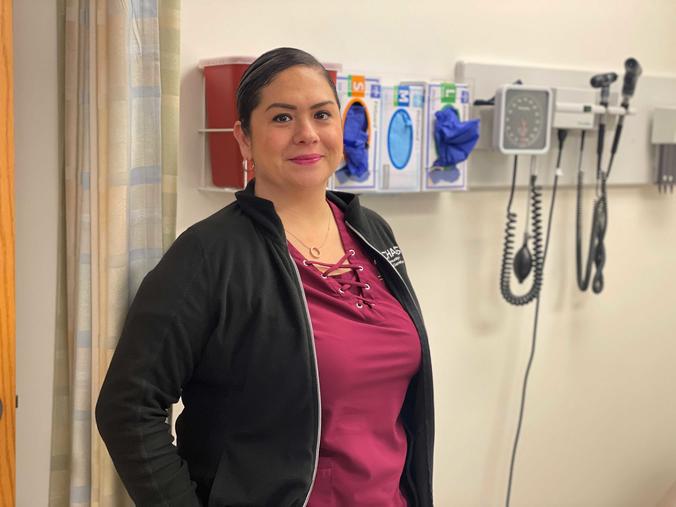
Certified medical assistants (MAs) are critical member of the CHASS team as well. CHASS MA Jessica Andrade, a former patient, explains that MAs manage immunization schedules and injections, take vitals, perform EKGs, and more.
Despite all that their teams do, community health centers have low profit margins to work within and are subject to congressional renewals of funding, which creates financial uncertainty for a prospective workforce. In addition, while health centers like CHASS partner with state medical schools to provide primary care residencies, they do not receive any graduate medical education funding. Nevertheless, the teams at community health centers provide patients with high-quality outcomes at lower costs. “As payment moves from volume to value,” Dr. Valbuena says, “I think that community health centers represent the model of primary health care for the nation.”
By Christine Haran
Read full report here.
Primary care scorecard cosponsored by The Milbank Memorial Fund and The Physicians Foundation, and the research is led by the Robert Graham Center at the Academy of Family Physicians.